Upgrade Your Outdoor Area: Expert Garden Design Tips for a Gorgeous Home Landscape
Converting an outdoor space into a beautiful residential landscape involves careful design and thoughtful implementation. By examining the unique features of a yard, individuals can establish specific landscaping goals. Picking plants that thrive in the regional weather is essential. Moreover, integrating functional landscape features enhances both beauty and usability. Still, the journey won't end there. Learning to sustain visual appeal and ecological balance can elevate any landscape significantly. What strategies lead to lasting success?
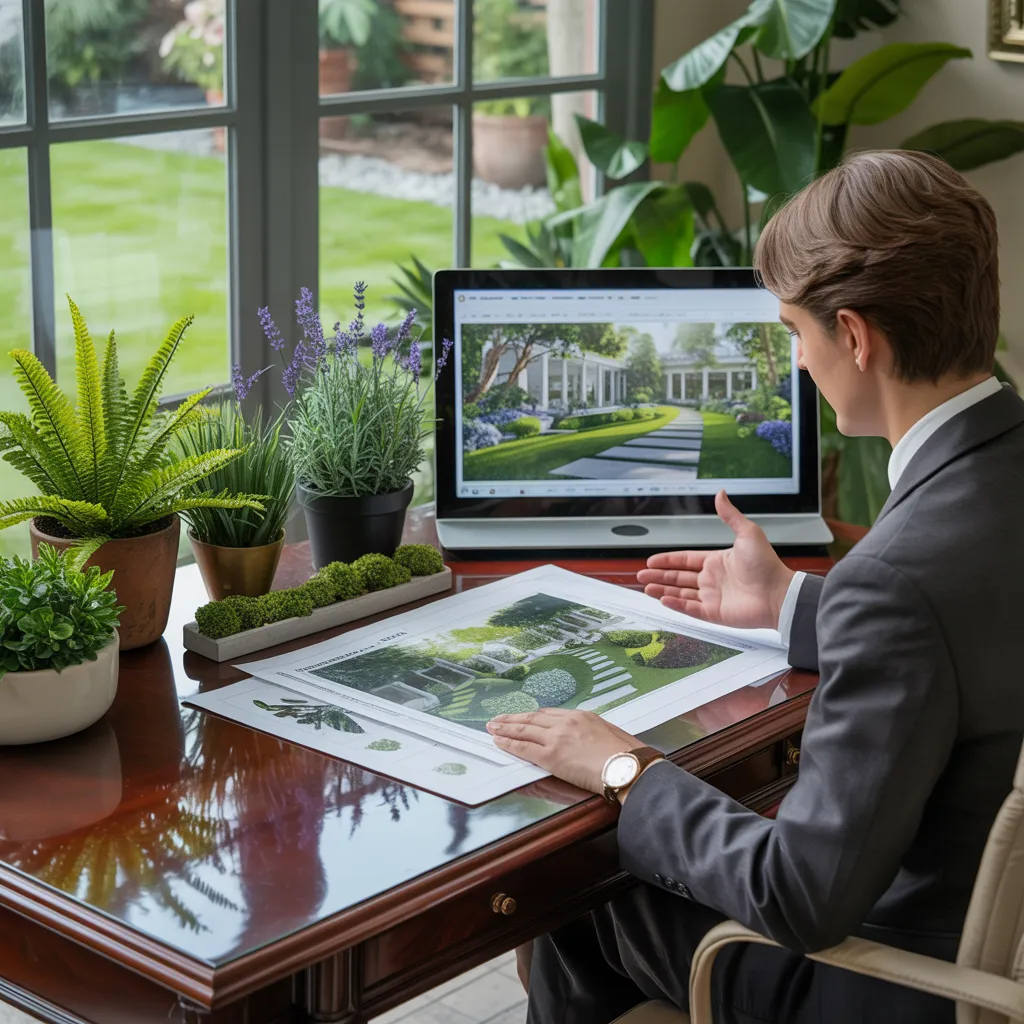
Analyze Your Yard to Set Your Landscape Design Goals
Before beginning any garden project, it is essential for homeowners to completely evaluate their outdoor space. This preliminary assessment allows them to grasp the unique features of their property, such as sun conditions, ground quality, and existing plants. Identifying these aspects supports in choosing what varieties of landscape elements can be successfully integrated into the space.
Homeowners should record dimensions and document any barriers including trees, barriers, or pathways that may influence the design. Furthermore, recognizing personal preferences and living requirements—including areas for entertainment, plant cultivation, or relaxation—can guide the landscaping goals. By specifically establishing these objectives, homeowners create a strong foundation for a cohesive and functional outdoor environment. This careful evaluation ultimately leads to a greater and satisfying garden renovation, ensuring the outdoor space enhances not only the home's aesthetic but furthermore fulfills the functional requirements of its residents.
Choose the Right Vegetation for Your Regional Conditions
Choosing the right plants for a particular region is vital for establishing a flourishing exterior environment. Comprehending regional climate conditions, including temperature ranges, precipitation, and moisture levels, helps property owners choose vegetation that will thrive. Indigenous vegetation typically adjust best, requiring minimal maintenance and water. For instance, water-efficient plants are ideal for arid regions, while water-preferring plants thrive in moisture-rich environments.
Gardeners should further consider seasonal changes; selecting vegetation that offers continuous visual appeal enhances the garden. Spring-flowering plants, summer perennials, and colorful autumn leaves can develop a striking visual display. Furthermore, consulting local gardening centers or extension services can offer helpful information into durable vegetation suited to specific conditions.
Eventually, a strategically designed vegetation arrangement not only improves beauty but also supports native fauna and advances environmental sustainability, which makes it a smart decision for any exterior area renovation.
Improve Your Garden Using Functional Hardscaping Features
Functional hardscaping elements serve as vital components in defining outdoor spaces and boosting their practical value. By incorporating seating areas and well-designed pathways, homeowners can create appealing outdoor areas that encourage leisure and circulation. Additionally, edging can define different zones within the garden, establishing layout and visual interest.
Structure Your Outdoor Environment
Creating a well-organized outdoor space can renovate a yard into a welcoming retreat. One reliable technique to achieve this is through practical landscape features, which establish structure and arrangement. Pathways made from natural stone or brick guide visitors while boosting visual appeal. Support walls can form tiered levels, enhancing the garden's overall design and stopping soil loss. Fencing or trellises can mark borders, providing privacy and a sense of enclosure. Adding elevated planting areas not only establishes growing zones but also improves accessibility. These elements operate in harmony to establish separate areas that enhance both aesthetics and functionality. Ultimately, a well-organized outdoor space fosters a serene environment where homeowners can relax and enjoy nature.
Integrate Lounging Areas
Incorporating seating areas into an exterior environment greatly improves its functionality and visual interest. By integrating functional hardscaping elements, homeowners can form inviting spots for rest, gathering, or appreciating the outdoors. Choices range from seating, outdoor furniture, or suspended seats, each adding to the landscape's visual charm and convenience. Carefully positioning chairs near prominent areas like plantings or decorative pools, motivates visitors to participate with their surroundings. Additionally, selecting materials such as natural wood or stone can complement the garden's design, maintaining design consistency. Protective coverings, such as covered structures or shades, provide comfort during warmer months, keeping these spaces accessible year-round. Ultimately, carefully planned sitting zones transform an ordinary garden into a inviting sanctuary for family and friends.
Design Walkways And Borders
Walkways and borders serve as key components in garden development, navigating people across the garden while improving its compositional integrity. These create movement and structure, helping distinguish distinct areas and botanical selections. Stone, brick, or gravel selections can create durable routes, and borders made with vegetation or ornamental barriers boost attractiveness. Exploration is facilitated by passages, which showcase features like planting zones or water elements. Properly maintained borders minimize unwanted plants and landscape degradation, boosting garden health. Adding pathways and borders enhances functionality and enhances decorative appeal in your landscape, creating spaces that are more inviting and satisfying.
Build Movement Using Pathways and Sitting Zones
A thoughtfully designed exterior area regularly showcases a cohesive circulation created through strategically arranged pathways and rest areas. Pathways lead people throughout the garden, developing a strong sense of navigation while improving the aesthetic appeal. Applying selections including gravel, stone, or wood can improve the path's beauty and support durability.
Seating areas provide rest points, inviting guests to pause and appreciate the surroundings. Strategically positioning seating near focal points, such as a fountain or a flower bed, encourages interaction with the landscape. The choice of seating—benches, chairs, or even hammocks—can influence the explore atmosphere, whether it be casual or formal.
Blending pathways and seating zones creates an appealing atmosphere, improving practicality and satisfaction. Used together, they form a fluid movement across multiple regions of the garden, inspiring wandering and peace, finally converting any outdoor location into a serene hideaway.
Transform Your Garden With Seasonal Tones and Depth
To improve the aesthetic quality of a landscape, thoughtful choosing of seasonal varieties is critical. Combining various textural qualities can bring dimension and engagement, as well as carefully positioned highlights can capture attention and develop a unified composition. All these aspects combined assure a lively and engaging exterior environment all year long.
Decide on Seasonal Plants Wisely
Choosing seasonal plants with care can turn your garden into a magnificent tapestry of colors and textures. By selecting plants with staggered bloom cycles, gardeners can maintain an endless succession of blooms. Spring-flowering specimens, summer annuals, fall-flowering perennials, and evergreen winter specimens each contribute unique hues and forms to the landscape. It is vital to remember local environmental conditions and ground composition, as well as the plants' growth patterns. Native species often thrive better and require less maintenance, increasing biological diversity. Additionally, combining plants with varying heights and bloom times can establish an eye-catching visual effect. Ultimately, careful consideration fosters a landscape that evolves seasonally, delivering enjoyment throughout the entire year.
Establish Multiple Textures For Depth
Creating garden depth involves combining textures that support and improve seasonal hues. By using diverse plants with varied leaf forms, dimensions, and tones, one can achieve a visually dynamic landscape. For instance, the use of broad-leaved plants alongside fine-textured grasses can establish visual interest and appeal. Additionally, adding tree bark, rocks, and organic elements adds sensory touches that enrich the overall experience. Flowering plants need to be strategically positioned to deliver splashes of color all year long, guaranteeing continued visual appeal. This careful design not only guides your gaze through the landscape but also creates an engaging environment where every detail contributes to the garden's beauty and harmony.
Use Focal Points Strategically
Purposefully integrating visual centerpieces can remarkably boost a garden's aesthetic quality and seasonal richness. These focal points provide anchors that attract the gaze and foster landscape unity. Gardeners can apply additions like sculptures, ornamental specimens, or radiant planting beds to spark visual interest. Seasonal color can be infused via the careful selection of plants that bloom at different times, keeping the garden animated year-round. Textures also play a significant role; combining smooth stone paths with rough bark or lush foliage adds depth. By thoughtfully placing these elements, a gardener can create an inviting atmosphere that encourages exploration and appreciation, transforming an outdoor space into an engaging retreat.
Implement Green Strategies to Foster a Healthy Garden
Adopting sustainable practices is imperative for cultivating a vibrant garden that performs well in sync with the natural world. Plant enthusiasts are recommended to employ naturally-occurring flora, which need minimal moisture and upkeep while enhancing regional creatures. Adopting organic growing techniques, like composting processes and chemical-free insect control, can significantly reduce pesticide use, fostering a stronger natural system.
Water-efficient strategies, comprising precision irrigation and collecting rainwater, improve green practices by improving resource use. Using mulch layers maintains soil water and also suppresses invasive vegetation, decreasing the demand for weed killers. Moreover, encouraging ecological diversity by incorporating a variety of plants encourages strength against pest infestations plus infections.
Soil condition is vital; methods such as crop cycling and cover cropping sustain nutrient balance minus synthetic nutrients. By adopting these sustainable approaches, horticulturists can develop a vibrant area that fosters both plants and ecological balance, creating an enhanced horticultural experience.
Resolve Frequent Challenges to Preserve Year-Round Garden Appeal
A well-kept garden can experience multiple obstacles year-round, altering its total beauty plus condition. Frequent challenges include pest issues, nutrient deficiencies, as well as inadequate water supply. Identifying pests promptly is vital; plant growers should frequently review foliage for injury marks along with handle pest issues employing chemical-free pesticides alternatively incorporating natural predators.
Nutrient shortages often appear as yellowing leaves or limited growth. Performing soil analysis can allow determine individual demands, enabling to enable precise fertilization to re-establish stability. Also, securing adequate water supply is important; over-irrigation can result in root damage, while underwatering challenges plants.
Weather transitions moreover require adjustments to maintenance. During winter, using mulch shields root areas against ice, while summer months can necessitate additional water plus partial shade to protect fragile plants. By tackling these common issues promptly
Should I Do Landscaping Independently or Hire a Landscaper?
It is feasible to complete landscaping projects yourself, tapping into digital tools and innovation. However, hiring a professional guarantees skill, efficiency, and better outcomes, notably for complex designs or extensive work that call for professional expertise.
Which Tools Are Essential for Home Garden Work?
Required items for yard landscaping include a leaf rake, garden shovel, digging tool, hedge shears, fork, and a irrigation hose or garden watering can. These equipment support successfully care for dirt, garden plants, and overall garden maintenance, providing quality landscaping.
How Do I Care for My Garden Across the Seasons?
To maintain a landscape throughout the year, one should regularly cut back greenery, add garden mulch for protection, track hydration levels, and implement seasonal planting methods. Furthermore, pest control and fertilization are necessary for vibrant, healthy growth.